The medal gives direction
A summit matters because it gives students a concrete image of excellence. It is not the whole mountain.
Flagship initiative
The visible ambition is to help a student from Uttarakhand reach an international cyber gold. The deeper mission is to build the capability, confidence and ecosystem that allow many students to begin and become substantially stronger while pursuing that summit.

Cyber Gold Quest uses the dream of a champion to raise the capability of many.
A champion matters because proof changes imagination. Before proof exists, students often assume that serious cybersecurity, global competitions and top technical pathways belong somewhere else.
One visible success can change the question from "Can someone from here do this?" to "Why not us?" That change can alter how students, parents, schools and mentors behave.

Belief transformation
Viswanathan Anand changed what India believed about chess. Saina Nehwal and P. V. Sindhu changed what families believed about badminton. Lakshya Sen has shown young athletes from Uttarakhand that world-class performance can emerge from here.
Cyber Gold Quest applies the same principle to cybersecurity. If one student from Uttarakhand can rise to the highest levels of cyber competition, that achievement becomes proof for thousands of others. It tells schools that cyber talent is worth nurturing. It tells parents that difficult technical preparation is worth supporting. It tells students that geography need not decide ambition.
The champion is the visible signal. The ecosystem is the goal.
What it is really about
A summit matters because it gives students a concrete image of excellence. It is not the whole mountain.
Every serious participant becomes stronger in systems, debugging, evidence, persistence and technical learning.
One champion is useful when that proof brings more students, schools, mentors and collaborators into the path.
Agency at two scales
Belief begins the change, but agency makes it operational. Cyber Gold Quest is designed to develop ownership in individual students and the coordinated capacity of a region to build a difficult capability over time.
Individual agency
CTFs and technical preparation require students to investigate unfamiliar systems, find missing knowledge, test ideas, recover from failure and take responsibility for progress.
I can begin. I can learn. I can solve. I can contribute.
Collective agency
Schools create continuity, mentors contribute experience, families sustain preparation and collaborators connect students to wider standards. Their coordinated action creates capacity no participant can build alone.
Proof appears. Institutions respond. Cohorts form. Capability compounds.
A champion becomes important when individual achievement helps the community improve what it can do together for the next student and the next cohort.
Read the full agency argumentThe transformation
Cyber Gold Quest is designed so a visible summit can pull many people into useful action: students begin, schools host, mentors guide and the region develops a stronger talent pool.
A visible pathway helps students see cybersecurity as something they can begin, not a distant field reserved for others.
Proof makes cyber clubs, CTF introductions, lab practice and long-term mentoring easier to explain and support.
A serious public mission gives practitioners, alumni and collaborators a clear place to contribute.
The larger result can be a stronger pool of students prepared for security work, engineering, research and entrepreneurship.

Evidence
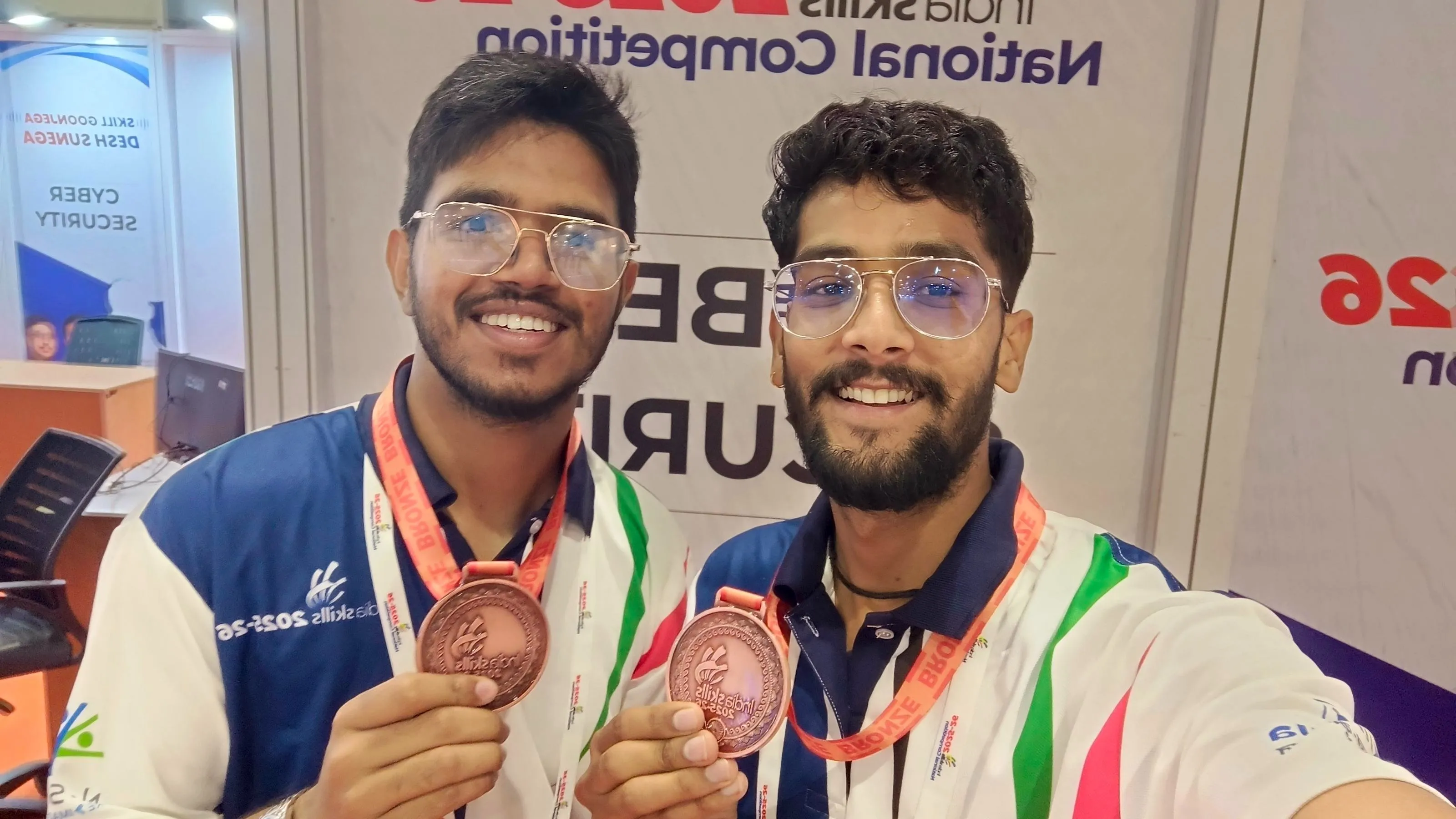
The medal was a proud moment, but the more important discovery was quieter: with curiosity, discipline and sustained preparation, cybersecurity talent from Uttarakhand could reach a national podium.
That changed the question from whether such talent exists to how an ecosystem can identify it early, nurture it patiently and give more students the confidence to begin.
How students enter the path
Classroom or lab instruction is only one part. The initiative can begin with a seminar, become a school club, grow into CTF practice and then guide committed students toward competitions, advanced study and deeper mentoring.
For Classes 7-12, InCTF Junior is a direct cybersecurity learning and CTF route. The Indian Computing Olympiad develops algorithms and programming; C/C++ foundations become important in deeper systems and security work. IIT Kanpur also publishes an Olympiad admission route for eligible IOITC-selected students.
A new academic signal
Both IITs launched four-year Bachelor of Cybersecurity programmes beginning in July 2026. For the 2026 intake, selection considered JEE Main performance and verifiable prior cybersecurity work before an in-person assessment that included a hackathon.
IIT Kanpur states that future admissions will use a separately announced entrance test. The exact process can change, so students should always read the current official pages.
Cyber Gold Quest helps students build the Linux, networking, web security, forensics, cryptography, reverse engineering, cloud and CTF foundations that make such opportunities more understandable and more attainable. Current eligibility and selection rules remain with the institutes.
Admissions information checked July 2026.
Capability students build
Some students may compete nationally. Many more can carry the same habits into engineering, research, public service, education and entrepreneurship.
Regional capability
As money, identity, education, healthcare, public services, communication and industry move into digital systems, securing those systems becomes a core part of protecting value. Cybersecurity is therefore not only a career option. It is strategic capability.
For Uttarakhand, this matters because cyber depends heavily on human capability. A serious student with a computer, internet access, mentorship and disciplined practice can build globally relevant skills from almost anywhere.
Cyber Gold Quest uses CTFs, seminars, school collaborations, lab practice and competition preparation to move students from awareness into production-grade habits: reading systems, finding weaknesses, documenting evidence, repairing mistakes and staying with difficult problems.
Journey so far
The story matters because it shows that technical excellence does not require perfect starting conditions. It requires patience, repetition, mentorship and a culture that treats difficulty as something worth staying with.
Ajay Dewari and Lalit Kandpal encounter IndiaSkills Cyber Security before a local competition pathway has formed around them.
The first competition cycle leads to the Uttarakhand State Gold Medal and an unexpected chance to compete nationally.
The national stage clarifies what stronger preparation, broader foundations and continued mentorship will require.
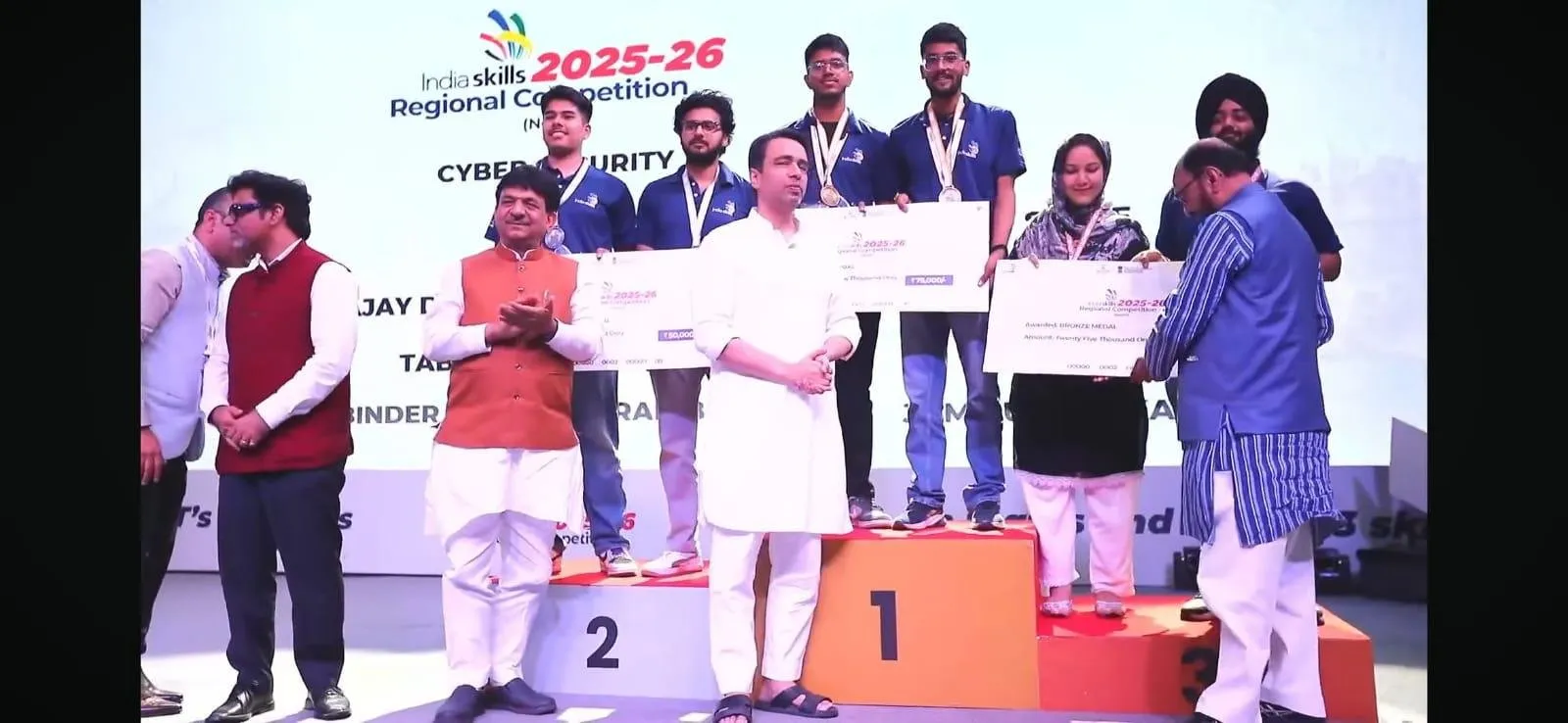
A more disciplined preparation cycle turns the earlier gap into direction and leads to the North Region Gold Medal.
The bronze becomes evidence that serious cybersecurity capability can emerge from Uttarakhand when curiosity is matched with practice.
Public record
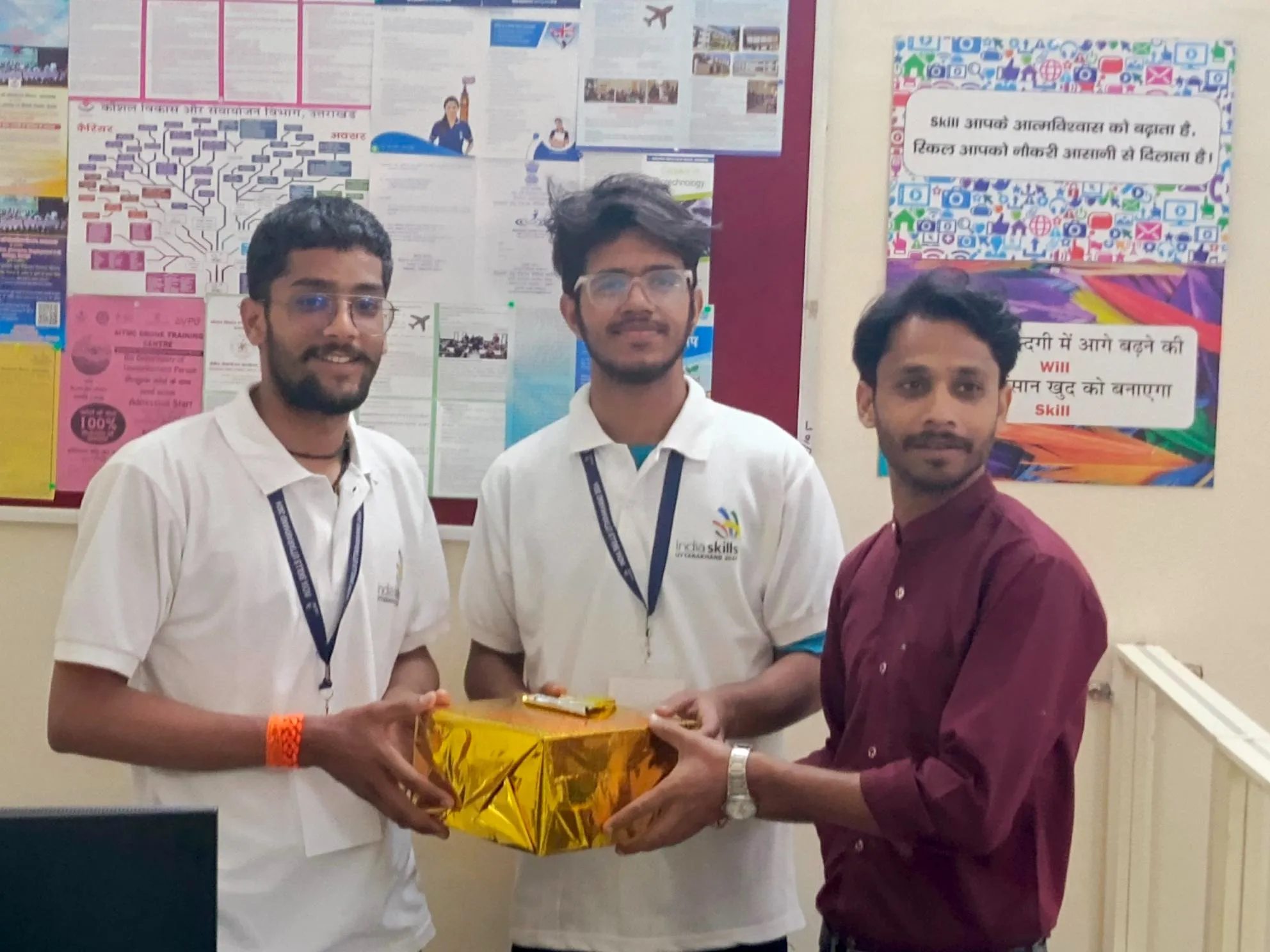
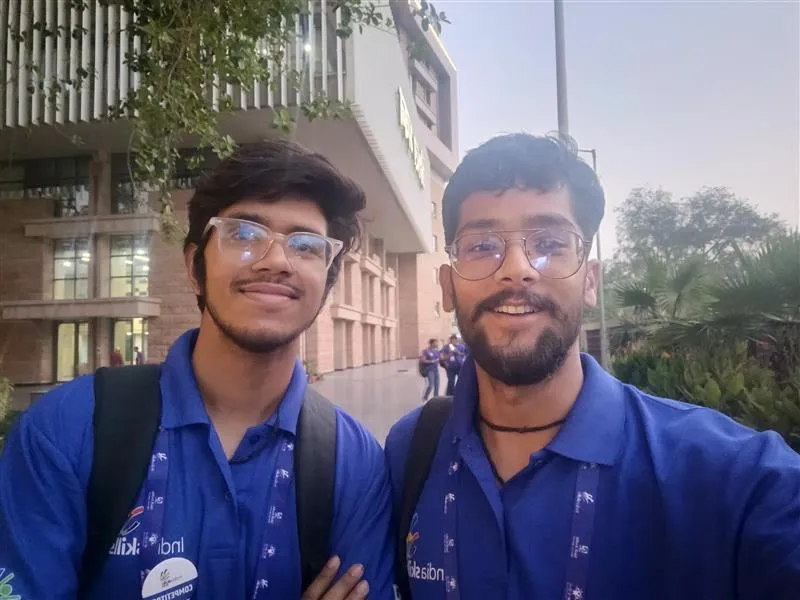
The story is visible in the progression: first attempts, competition rooms, regional podiums and national medals. The point is not to freeze the journey at one result, but to show that a path now exists.
Access and sustainability
Cyber Gold Quest is intended to reach as many promising students as possible within the means available to the initiative. It is designed as a long-term effort that can sustain and expand through its own operations. The delivery model combines mission-supported access, paid implementation and a limited scholarship route for students whose potential should not be constrained by financial circumstances.
Awareness seminars, introductory CTF sessions, public learning resources and periodic online group guidance introduce the path without turning the first encounter into a sales conversation.
Structured training, recurring instruction, dedicated mentoring, customized school delivery, travel-intensive programmes and lab setup are paid activities implemented by IndusForward. Paid delivery supports the instructors, materials, technology, programme development and operating capacity required to continue improving and expanding the effort without depending on uncertain external funding.
Eligible student cohorts will reserve a limited number of seats with fee support of up to 100%, awarded on demonstrated potential and genuine financial need. Availability and the level of support may vary by cohort.
Potential is not defined by prior exposure or marks alone. Curiosity, persistence, logical and systems thinking, response to feedback and willingness to practise all matter. Ability to pay is not treated as evidence of potential, and financial need is considered separately. Scholarship commitments remain within the capacity available to each cohort so that the wider effort remains sustainable.
For schools and colleges
A collaboration can begin with a seminar introducing CTFs, cybersecurity careers and the national importance of protecting digital systems. It can continue through a club, lab day, guided foundations or competition preparation.
IndusForward implements Cyber Gold Quest in collaboration with schools, teachers, mentors and partners. It can also support planning for cyber and computer labs where equipment is connected to instruction, projects and repeated student use.
Part of a larger movement
Cyber Gold Quest sits inside Innovate in Uttarakhand because the same habits needed for competitive cybersecurity are needed across deep technical work: sustained attention, systems thinking, careful practice and the willingness to keep building when progress is slow.
The story in chapters
Cyber Gold Quest did not begin with a polished programme. It began with repeated conversations about talent, geography and what might happen if students from Uttarakhand could prepare for the highest standards.
Read Chapter 1